Unsettling
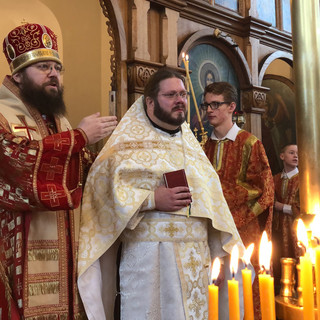
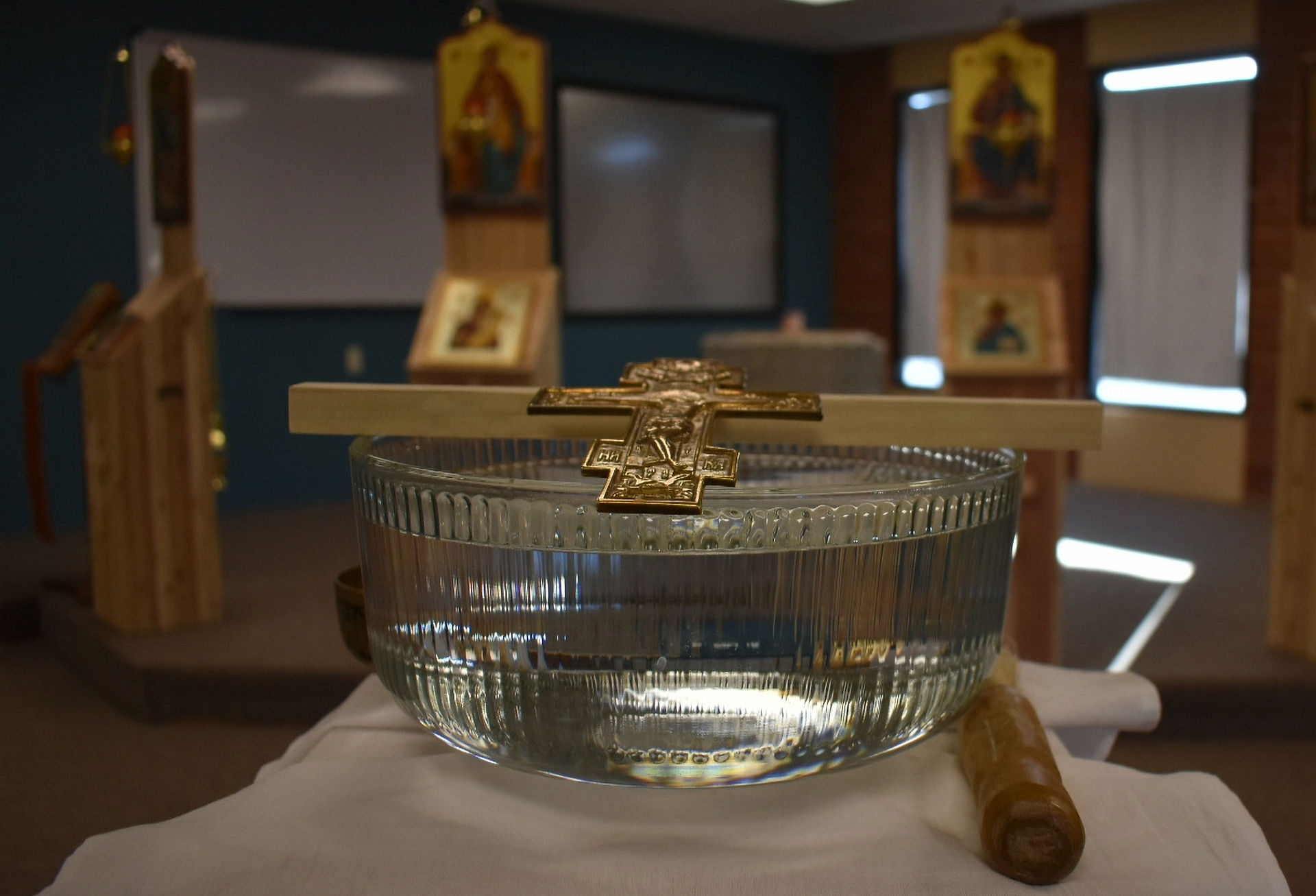
On the Feast of Transfiguration, we bless first-fruits. As a child this was one of my favorite things. It was the day that we got to eat grapes in Church! This custom is tied to the Feast of Tabernacles in the Old Testament. When God delivered the land of Canaan into the hands of the Israelites and they took possession of it, they ended their 40 years in the wilderness. God told them that once they settled in the land, they would begin to forget. When their land yielded an abundance of fruit, they would forget God Who had sustained them. And so every year they were supposed to spend a week living in tents or tabernacles as they had in the wilderness, and they were to bring the first of the fruits that the land yielded so that they would remember that the abundance was from the Lord and belonged to Him. It was an act of trust that the rest of the crops would come in, just as these first fruits had.
The house I live in now is so much nicer, so much bigger than any house I lived in as a child. When we were little, part of what made the Feast of Transfiguration so exciting was that we didn’t get grapes or fresh fruit year round. We ate fruit salad, or peaches, or pears out of a can for a lot of the year, until there was fresh fruit. We are so settled in a land of abundance, and it’s hard to remember God when He doesn’t seem necessary for the lifestyle we’re living. We earn paychecks and put a roof over our heads. Global corporations make sure that food gets from countries along the equator, or from South America during the winter months to keep us fed.
So we need to remember that we are sojourners on this earth. We are not citizens of the world, we are citizens of the Kingdom of Heaven. When our Lord took Peter, James and John up Mount Tabor He didn’t just light up like a flashlight, rather He showed Himself to be the Heavenly Tabernacle, that place where Heaven and Earth meet, where the glory of the Lord filled up Human flesh. In the prolog to Saint John’s gospel, it says “the Word became flesh and dwelt among us,” the word dwelt literally means tabernacled. He made us, our nature His dwelling place.
When Peter said that it is good to be here, and suggested that they build tabernacles or tents, one for Christ, one for Moses, and one for Elijah, he didn't understand the importance of what he saw. Christ had told them that He was to be crucified. He was worried about the transitory state of the life he had with Christ, and he wanted to make it more permanent. So he suggested, let's just stay here like this. But what Christ was showing Him was an even more permanent way -- the Kingdom of Heaven within you.
As Christians, this is our true homeland. It was experienced by Christians in exile, it was experienced by Christians who were hated by their own countrymen, it cannot be taken away from us if we don’t depart from it. To live as a Christian is to be always, constantly unsettled, but having God dwelling in us as His temple, His tabernacle on earth. Now matter how good this life may be, it is incomparably better to live not in the presence of Christ, but with Him abiding in us with the Father and the Holy Spirit.
As we experience the sweetness of fruit at the end of liturgy today, let us remember that the greater gift is Christ’s self-offering to us in the Eucharist in which He is renewed within us, and through which He continues to renovate and beautify the temples of our hearts to manifest His glory, that light which enlightens the world.

Comments